Nawruz 2026
History of Nawruz
Nawruz, meaning “New Day,” is one of the world’s oldest celebrations, marking the arrival of spring and the beginning of the new year in the Persian calendar. Its origins date back over 3,000 years to ancient Persia (modern-day Iran), where it is deeply rooted in the traditions of Zoroastrianism.
The festival is closely tied to the spring equinox, usually occurring on March 20 or 21, when day and night are equal. Ancient Persians viewed this moment as a powerful symbol of renewal, rebirth, and the triumph of light over darkness. During the Achaemenid Empire (550–330 BCE), Nawruz became an official celebration, highlighted by grand ceremonies at Persepolis, where kings received gifts from across the empire.
Over the centuries, Nawruz continued through successive Persian empires, including the Sassanian Empire, and gradually spread across Central Asia, the Middle East, the Caucasus, and beyond. Despite political and religious transformations, the festival endured and evolved, blending its ancient roots with diverse cultural traditions.
Today, Nawruz is celebrated by millions of people in countries such as Afghanistan, Tajikistan, Uzbekistan, Azerbaijan, and Turkey. In 2010, it was officially recognized by the United Nations, which declared March 21 as the International Day of Nawruz.
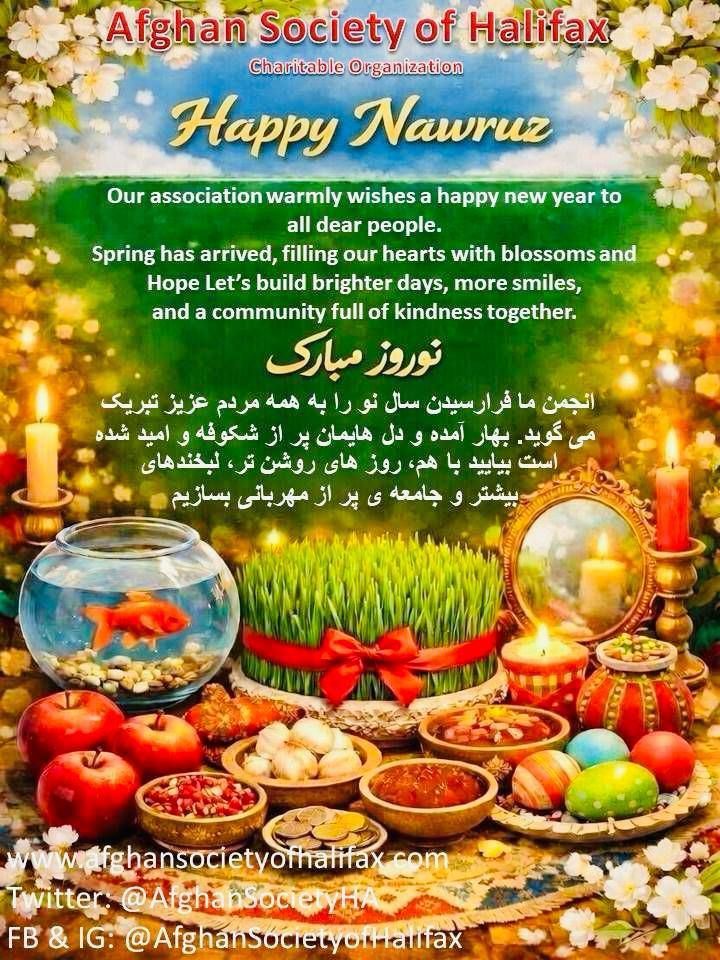
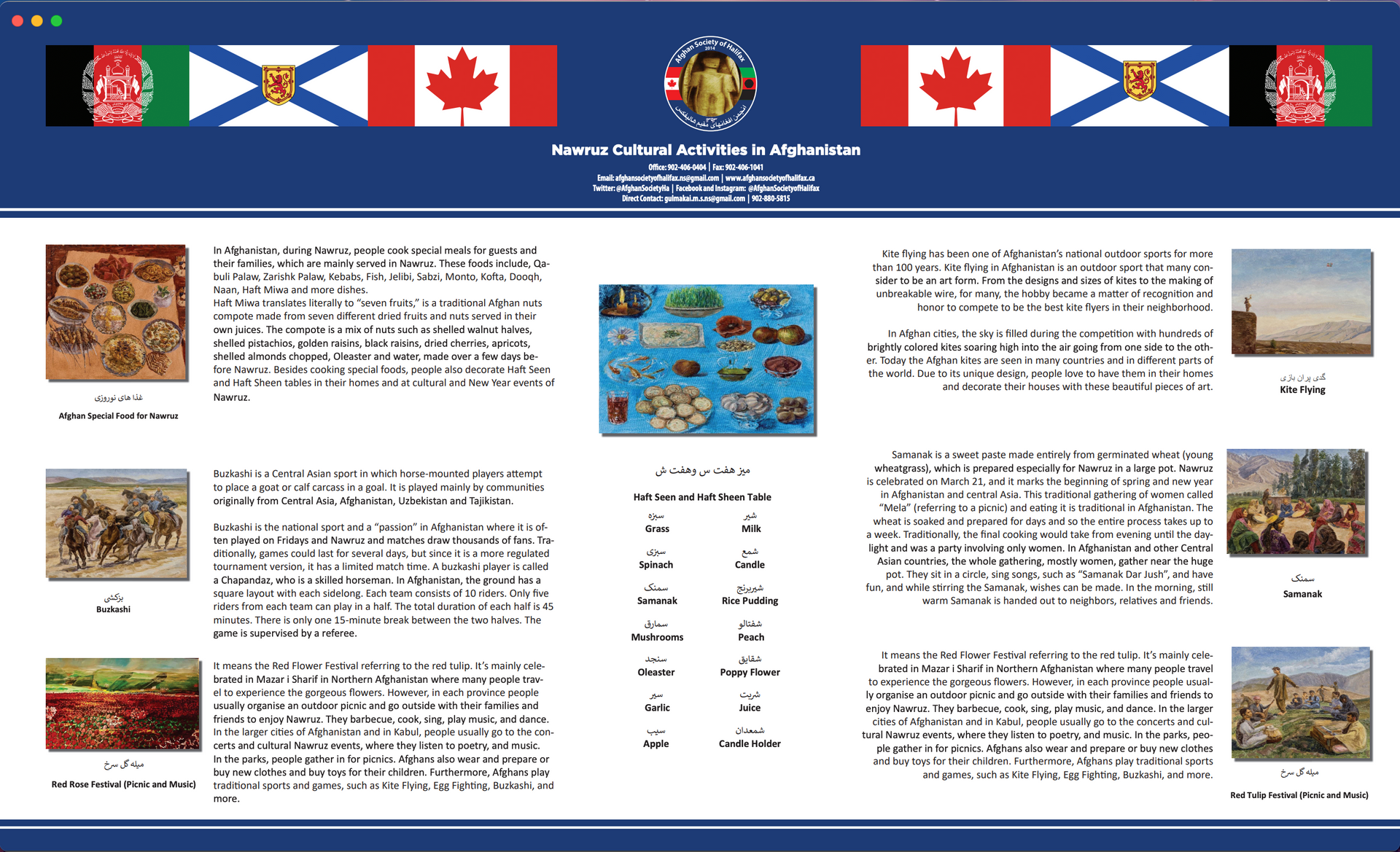
In Afghanistan, Nawruz is celebrated with rich cultural traditions, including the preparation of the Haft-Seen and Haft-Sheen tables, symbolizing life, hope, and renewal. Families and friends gather to visit one another, wear new clothes, and enjoy festive meals. Many also take part in spring cleaning, a tradition that reflects the idea of a fresh start for the new year.
Nawruz remains a powerful symbol of cultural heritage, unity, peace, and the renewal of life, continuing to connect generations across regions and borders.
نوروز ۲۰۲۶
تاریخچه نوروز
نوروز به معنای «روز نو» یکی از کهنترین جشنهای جهان است که آغاز فصل بهار و سال نو در تقویم خورشیدی را نشان میدهد. ریشههای این جشن به بیش از ۳۰۰۰ سال پیش در ایران باستان بازمیگردد و عمیقاً با آیین زرتشتی پیوند دارد.
این جشن با اعتدال بهاری همزمان است که معمولاً در ۲۰ یا ۲۱ مارس رخ میدهد؛ زمانی که طول شب و روز برابر میشود. ایرانیان باستان این لحظه را نماد نوزایی، تجدید حیات و پیروزی روشنایی بر تاریکی میدانستند. در دوران امپراتوری هخامنشی (۵۵۰ تا ۳۳۰ پیش از میلاد)، نوروز به عنوان یک جشن رسمی شناخته شد و مراسم باشکوهی در تخت جمشید برگزار میگردید که در آن پادشاهان هدایایی از سراسر امپراتوری دریافت میکردند.
در طول قرنها، نوروز در دورههای مختلف، از جمله در زمان ساسانیان، ادامه یافت و به تدریج در سراسر آسیای مرکزی، خاورمیانه، قفقاز و فراتر از آن گسترش پیدا کرد. با وجود تغییرات سیاسی و دینی، این جشن پایدار ماند و با فرهنگها و سنتهای محلی درآمیخت.
امروزه نوروز توسط میلیونها نفر در کشورهایی مانند افغانستان، تاجیکستان، ازبکستان، آذربایجان و ترکیه جشن گرفته میشود. در سال ۲۰۱۰، سازمان ملل متحد، ۲۱ مارس را به عنوان روز جهانی نوروز به رسمیت شناخت.
در افغانستان، نوروز با آیینها و سنتهای ویژهای همراه است، از جمله آمادهسازی سفره هفتسین و هفتشین که نماد زندگی، امید و نو شدن هستند. مردم به دید و بازدید یکدیگر میروند، لباس نو میپوشند و غذاهای محلی و جشنهای مختلف برگزار میکنند. همچنین خانهتکانی به عنوان نشانهای از آغاز تازه در سال نو انجام میشود.
نوروز نمادی نیرومند از میراث فرهنگی، همبستگی، صلح و نوزایی زندگی است